

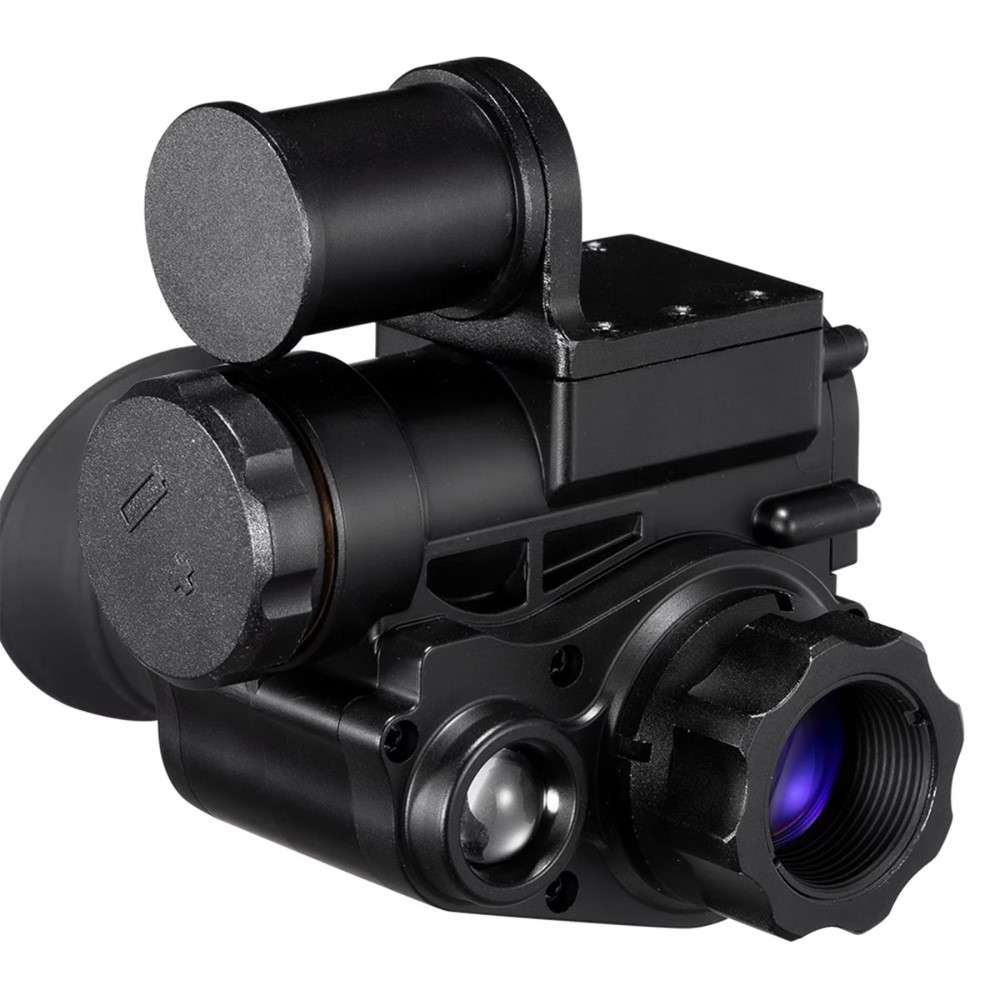
The nvg10 is a high-performance night vision device designed for military, law enforcement, and outdoor enthusiasts. Built with advanced image intensifier technology, it delivers clear, detailed visuals in low-light or total darkness. Whether used for tactical operations, wildlife observation, or nighttime navigation, the nvg10 offers reliable performance under demanding conditions. Its compact design makes it easy to mount on helmets or weapons, while its dual-tube configuration provides depth perception—critical for movement and targeting. Users appreciate its rugged construction, long battery life, and minimal lag between motion and visual feedback.
Moreover, the nvg10 stands out for its versatility across environments. From dense forests to urban rooftops, it enhances situational awareness when visibility is limited. It integrates seamlessly with other gear through standard Picatinny rails and helmet brackets. As night vision technology continues to evolve, the nvg10 remains at the forefront due to its balance of affordability, durability, and optical quality.
 Key Features
One of the most notable aspects of the nvg10 is its use of Gen 2+ or Gen 3 image intensifier tubes. These allow for superior light amplification compared to earlier generations. The result is brighter images with higher contrast, even during moonless nights. This clarity helps users identify objects at greater distances.
Another key feature is the auto-gated power supply. It adjusts rapidly to sudden changes in lighting. For example, if headlights flash nearby, the system prevents blooming or overexposure. This protects both the user’s eyes and the tube’s lifespan.
The nvg10 also includes manual gain control. You can fine-tune brightness based on ambient light levels. This gives operators full control without relying solely on automatic settings.
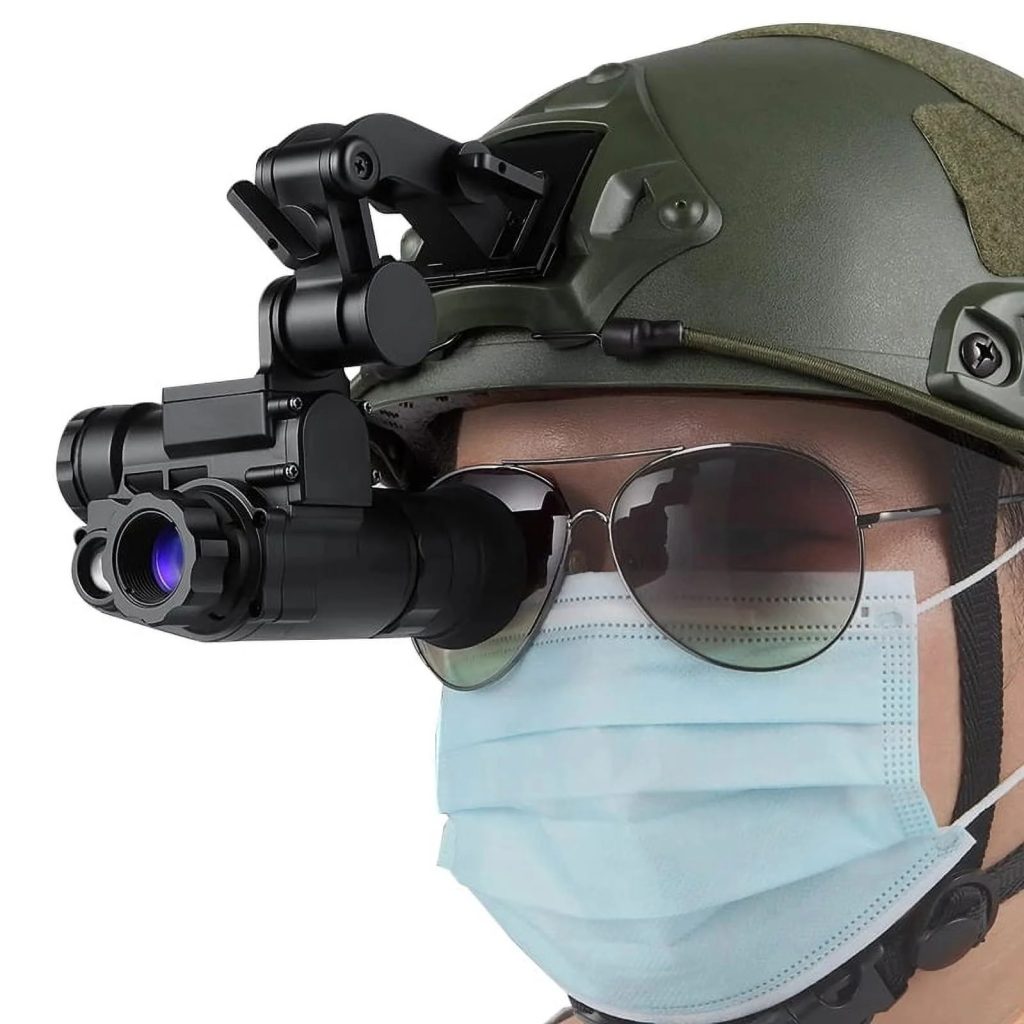
Its lightweight composite housing reduces neck strain during extended wear. Weighing under two pounds fully assembled, it fits comfortably on most helmet mounts. Rubber eyecups minimize stray light leakage.
Interpupillary adjustment ensures proper alignment with your eye spacing. This improves focus and reduces eye fatigue.
Flip-up headgear allows quick transition between using and storing the device. There’s no need to remove the entire unit when switching to daylight tasks.
These features combine to create a powerful, responsive tool. Every detail supports real-world usability.
How Image Intensification Works in the NVG10
At the core of the nvg10 lies an image intensifier tube that amplifies available light. Ambient photons from stars, moonlight, or artificial sources enter through the objective lens. They strike a photocathode, which converts them into electrons.
These electrons pass through a microchannel plate (MCP). Inside the MCP, thousands of tiny channels multiply the electron count dramatically. This process creates a much stronger signal than what entered.
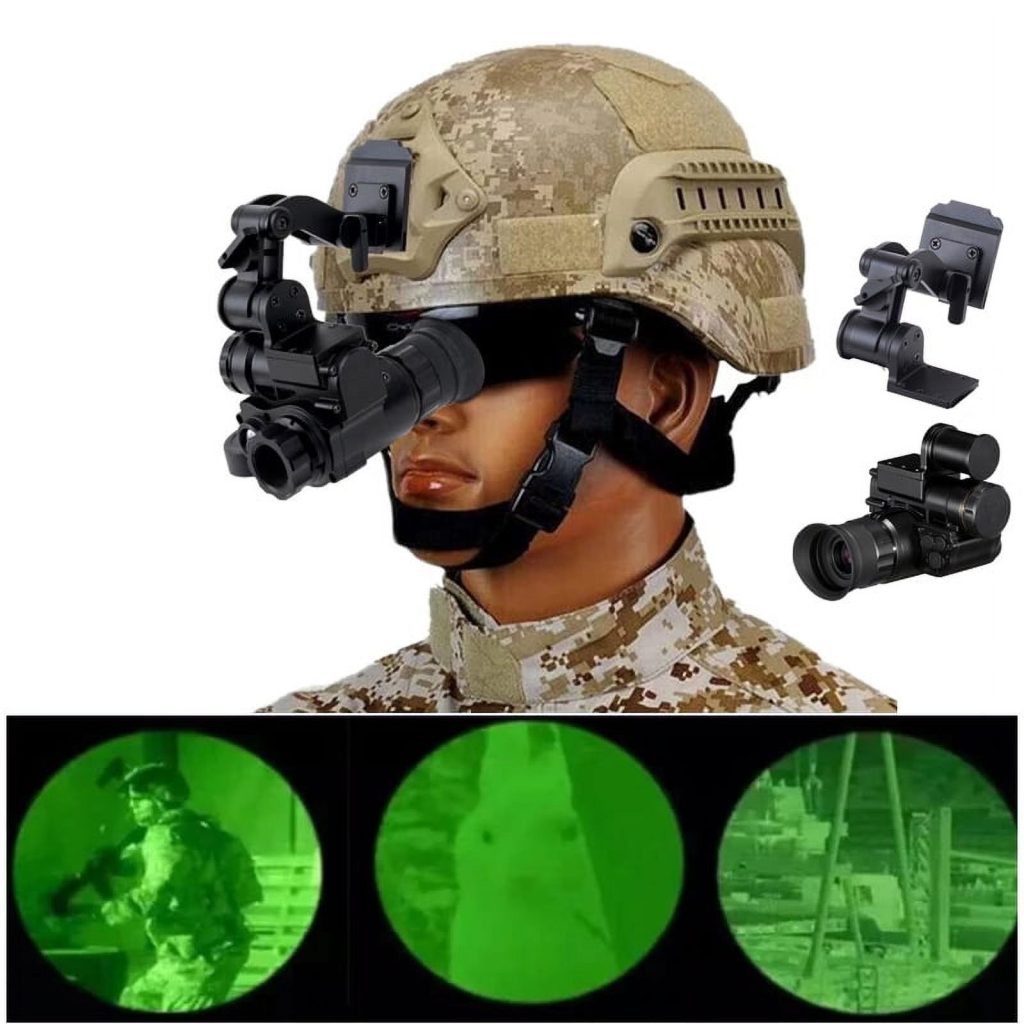
Next, the amplified electrons hit a phosphor screen. This emits green-hued light visible to the human eye. The green color is used because our eyes detect more shades of green than any other hue.
Finally, you view this enhanced image through the eyepiece. What appears as near-total darkness becomes a detailed, navigable scene.
Because it relies on existing light rather than emitting infrared beams (like some older systems), the nvg10 maintains stealth. No visible beam alerts others to your presence.
This passive detection method makes it ideal for covert operations. Hunters benefit too, as animals don’t notice the device in use.
Understanding how this works helps users maximize effectiveness in the field.
 Tactical Advantages of Using the NVG10
Military and law enforcement units rely heavily on the nvg10 for nighttime missions. One major advantage is increased mobility in dark environments. Officers can move safely through buildings, alleys, or rough terrain without flashlights. This reduces exposure and maintains operational secrecy.
Additionally, depth perception plays a critical role. The binocular design of the nvg10 allows three-dimensional vision. This improves hand-eye coordination and spatial judgment. Climbing stairs, clearing rooms, or navigating obstacles becomes far safer.
Target identification improves significantly. With sharp resolution, users distinguish friend from foe more accurately. Misidentification incidents drop when visual input is clear.
The device also supports rapid target acquisition. When paired with weapon-mounted IR illuminators, shooters engage threats effectively in pitch-black conditions. The nvg10 syncs perfectly with these tools.
Communication stays efficient. Team members coordinate movements visually without shouting. Hand signals become readable in complete darkness.
In training exercises, instructors use the nvg10 to simulate real combat scenarios. New recruits build confidence operating at night. Muscle memory develops faster with repeated practice.
All these benefits make the nvg10 indispensable for tactical professionals.
Real-World Applications Beyond the Battlefield
While originally designed for defense use, the nvg10 serves many civilian purposes. Wildlife researchers use it to observe nocturnal animals without disturbing natural behavior. Cameras may miss subtle actions, but live viewing captures nuances.
Security personnel patrol large properties like farms, warehouses, or resorts. The nvg10 extends surveillance capability after sunset. Intruders hiding in shadows become visible. Response times improve dramatically.
Search and rescue teams operate more efficiently at night. Locating missing hikers or disaster survivors becomes possible even in zero-light conditions. Thermal imaging may show heat signatures, but the nvg10 reveals actual surroundings.
Hunters gain a legal edge where regulations permit night optics. They track game quietly and ethically. Precision increases, reducing unnecessary suffering.
Cave explorers and spelunkers navigate narrow tunnels safely. Depth perception prevents missteps. Accidents decline when every ledge and drop-off is clearly seen.
Even photographers experiment with night landscapes. The nvg10 acts as a guide before setting up long-exposure shots. Knowing the layout helps frame perfect compositions.
These varied applications prove the nvg10’s broad utility beyond its original intent.
Mounting Options and Compatibility
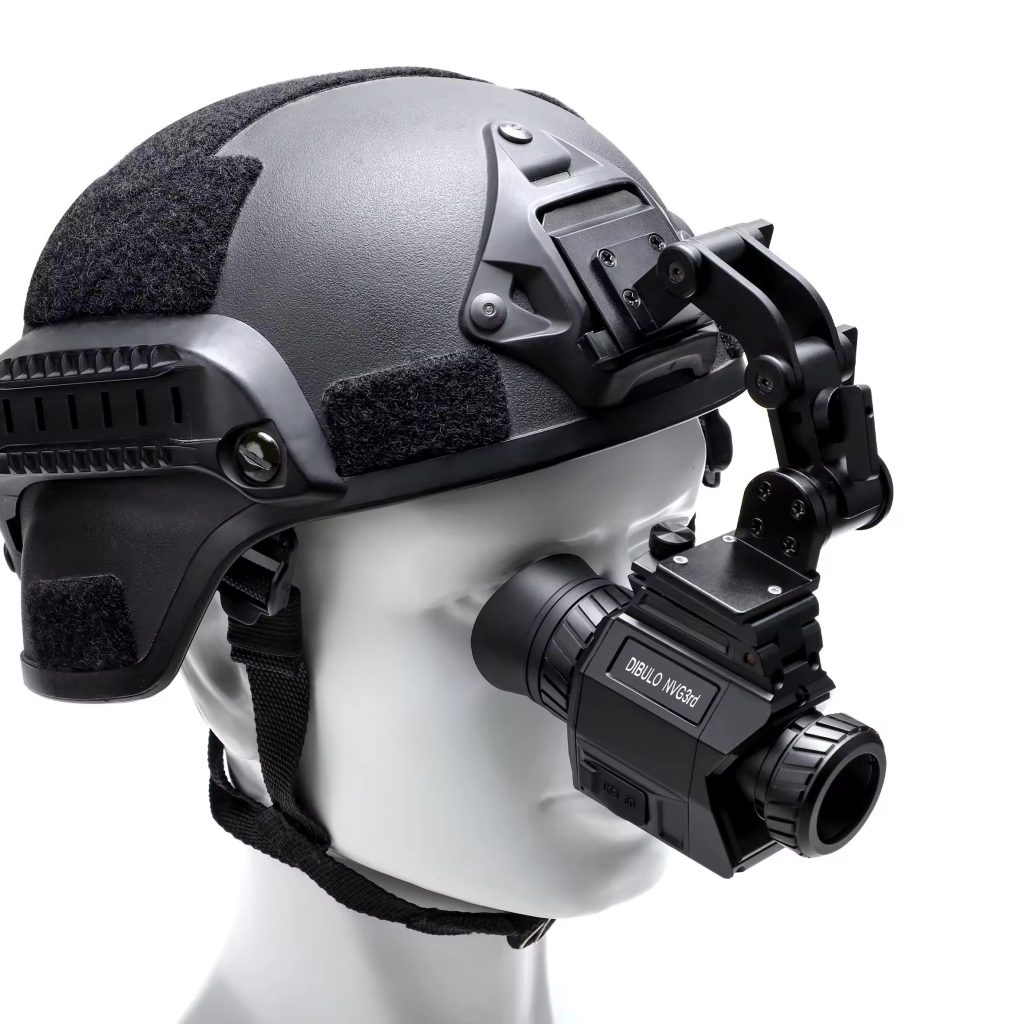
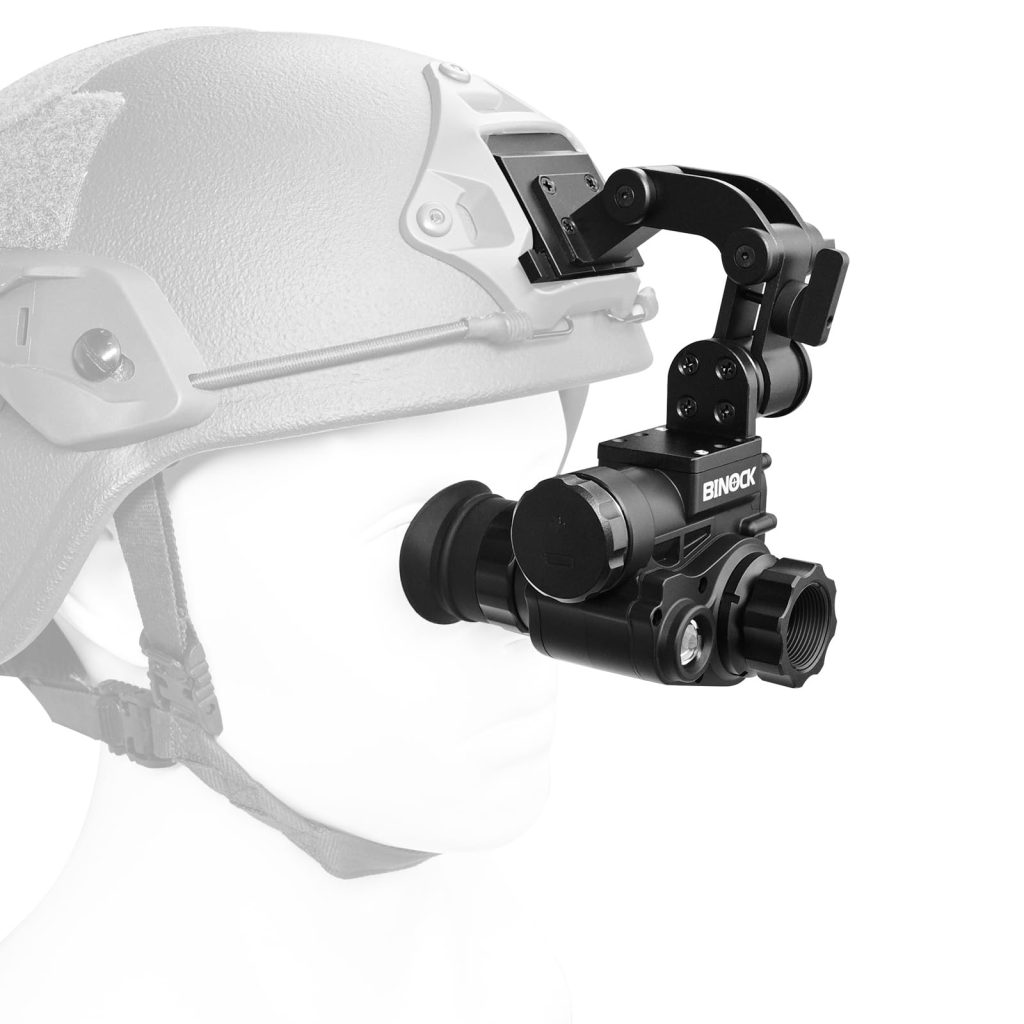
Proper mounting ensures comfort and functionality. The nvg10 typically uses a standard GVS-5516 or Wilcox-compatible bracket. This allows attachment to common helmet shrouds like the Ops-Core FAST or Team Wendy EXFIL.
Helmet mounts come in single, dual, and flip-up configurations. Dual-tube setups require balanced weight distribution. Adjustable arms let users align the device precisely with their line of sight.
Weapon mounting is possible via rail adapters. Some users attach the nvg10 to rifles equipped with IR lasers. This setup enables aiming in total darkness. However, care must be taken not to overload the firearm’s front end.
Battery packs connect through coiled cords. Most models run on AA batteries or rechargeable CR123s. Placement varies—from behind the head to chest harnesses. Long cords prevent tension during movement.
Compatibility with IR illuminators expands performance. Devices like the PEQ-15 or DBAL-A2 enhance visibility in extremely dark areas. The nvg10 detects the invisible beam and renders it visible.
Always test fit before deployment. Loose connections lead to misalignment. Check all screws and locking mechanisms regularly.
With the right accessories, the nvg10 adapts to nearly any mission profile.
Maintenance Tips for Long-Term Use
To keep your nvg10 in top condition, regular maintenance is essential. Always store it in a dry, cool place. Excess moisture leads to fogging or internal damage. Use silica gel packs inside storage cases.
Clean lenses carefully. Use only approved lens wipes or air blowers. Never apply liquids directly. Smudges reduce image quality and cause glare.
Avoid exposing the device to bright light while powered on. Sudden flashes degrade the intensifier tube over time. Turn off the unit before entering well-lit areas.
Check battery terminals frequently. Corrosion disrupts power flow. Replace worn contacts promptly. Remove batteries when not in use for extended periods.
Inspect rubber eyecups and foam padding. Tears or hardening affect fit and comfort. Order replacements from authorized dealers.
Do not disassemble the housing. Internal components are highly sensitive. Repairs should only be done by certified technicians.
Keep firmware updated if applicable. Some digital versions support software improvements. Follow manufacturer guidelines closely.
Following these steps extends service life and ensures peak performance.
 Where to Buy Authentic NVG10 Units
Purchasing a genuine nvg10 requires caution. Many counterfeit or outdated models appear online. Always buy from licensed vendors specializing in tactical optics. Companies like Night Vision Guys, Steele Industries, or TNVC offer verified equipment.
Check export compliance. In the U.S., ITAR regulations restrict sales to non-citizens. Authorized buyers must provide documentation. Reputable sellers guide customers through this process.
Used units are available through surplus markets. Inspect generation type, hours of use, and tube specs. Look for “halos” around lights or black spots indicating wear. Request photos and test videos.
Attend gun shows or trade expos. Meet suppliers in person. Hands-on evaluation reveals build quality. Ask about warranty and return policies.
Avoid third-party marketplaces unless the seller has proven credibility. Platforms like eBay host scams. Counterfeit labels mimic real brands.
Price reflects authenticity. Extremely low prices usually indicate poor quality. Genuine nvg10 systems cost several thousand dollars.
Invest wisely. Your safety depends on reliable gear.
 Frequently Asked Questions
Many people have questions before purchasing or using the nvg10. Below are answers to common concerns.
Is the NVG10 legal for civilians to own
Yes, in the United States. Civilians can buy and possess night vision devices. Restrictions apply to export and use in certain activities.
Can I use it during heavy rain
Yes, but avoid direct downpours. Moisture may seep into seals. Wipe it dry immediately after exposure.
Does it work in complete darkness
Partially. It needs some ambient light. In total darkness, an IR illuminator is required.
How long do the batteries last
Typically 40–60 hours with AA alkalines. Lithium or rechargeable cells may extend runtime.
Can I wear glasses with the NVG10
Yes. Adjust the diopter settings to match your prescription. Some users remove glasses and rely on focus tuning.
What is the effective range
Depends on lighting. Under starlight, 75–100 yards. With IR assistance, up to 200+ yards.
Do I need a license to operate it
No. Unlike thermal scopes, no federal license is required for ownership or use.
How do I know if the tube is failing
Look for flickering, white spots, or loss of brightness. Contact a technician if symptoms appear.
 Final Thoughts
The nvg10 continues to earn respect across professional and recreational fields. Its blend of clarity, durability, and adaptability makes it one of the most trusted night vision solutions available. Whether deployed in combat zones or used for weekend hunting trips, it performs consistently under pressure.
More than just a tool, it enhances human capability in darkness. It removes fear of the unknown and replaces it with confidence. Users report feeling safer, sharper, and more aware.
As technology advances, newer models will emerge. Yet, the core strengths of the nvg10—reliability, ease of use, and proven track record—ensure it remains relevant.
For anyone serious about nighttime operations, understanding how to use and maintain the nvg10 is essential. Once experienced, few want to operate without it.